
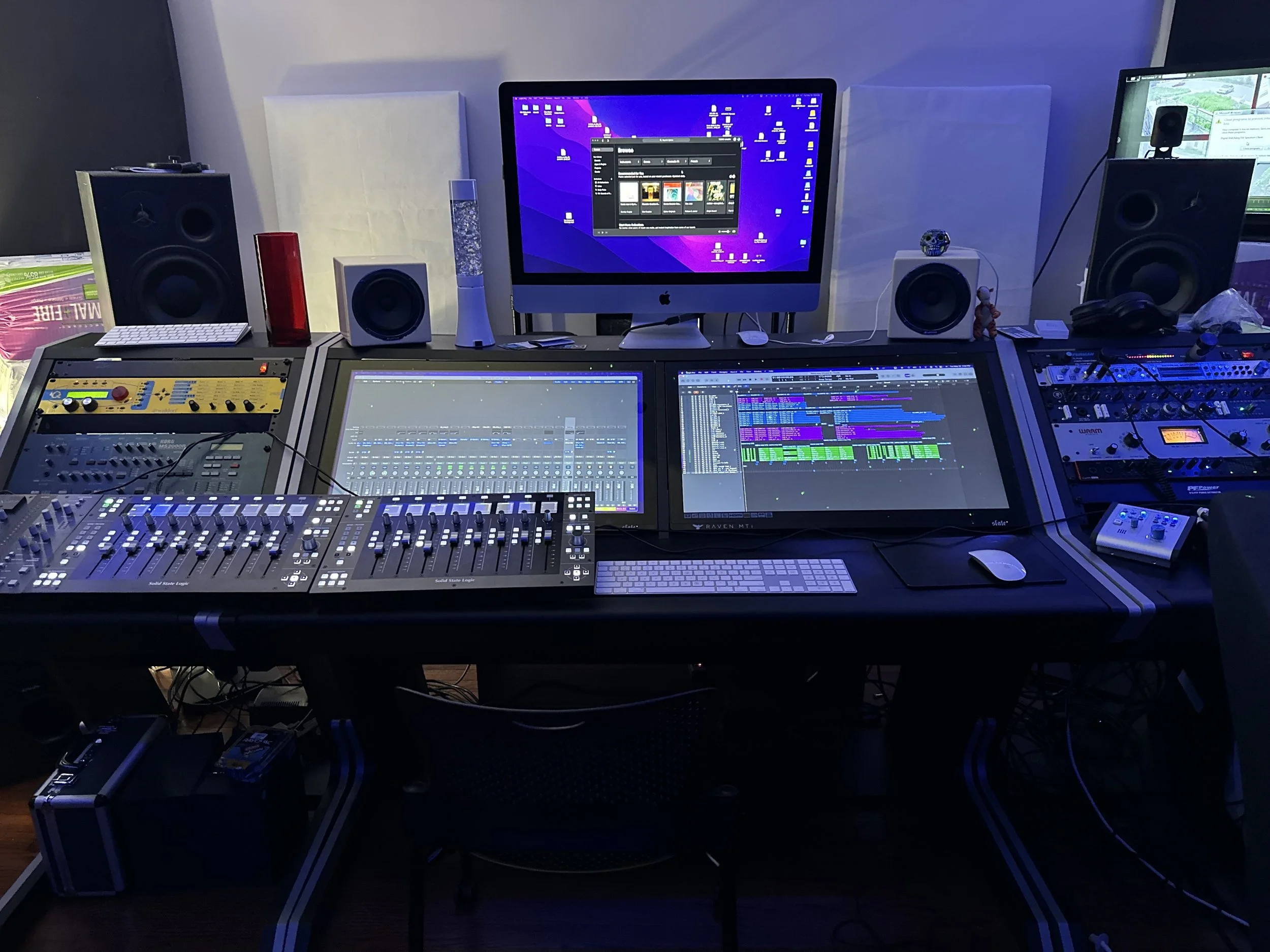
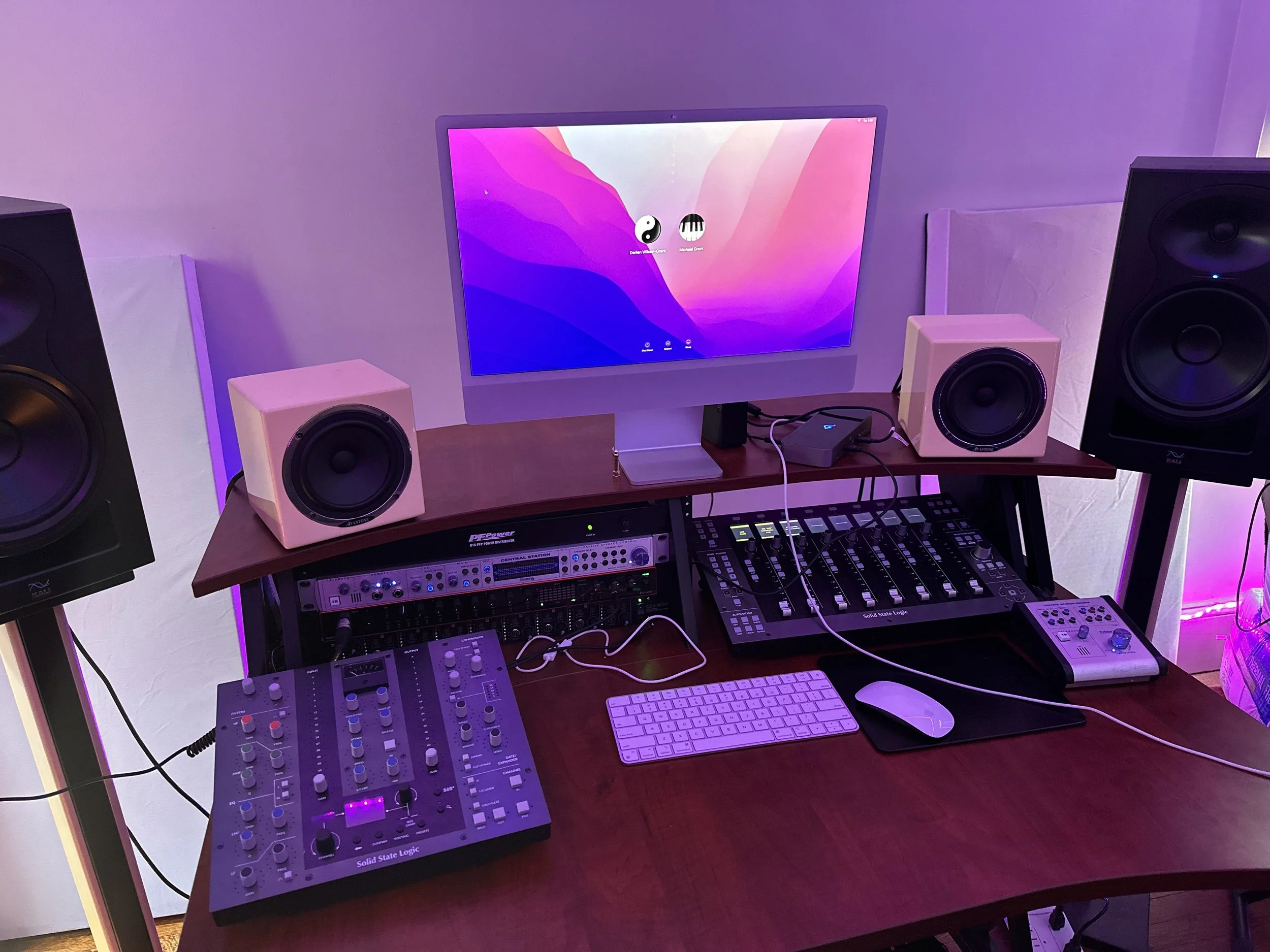
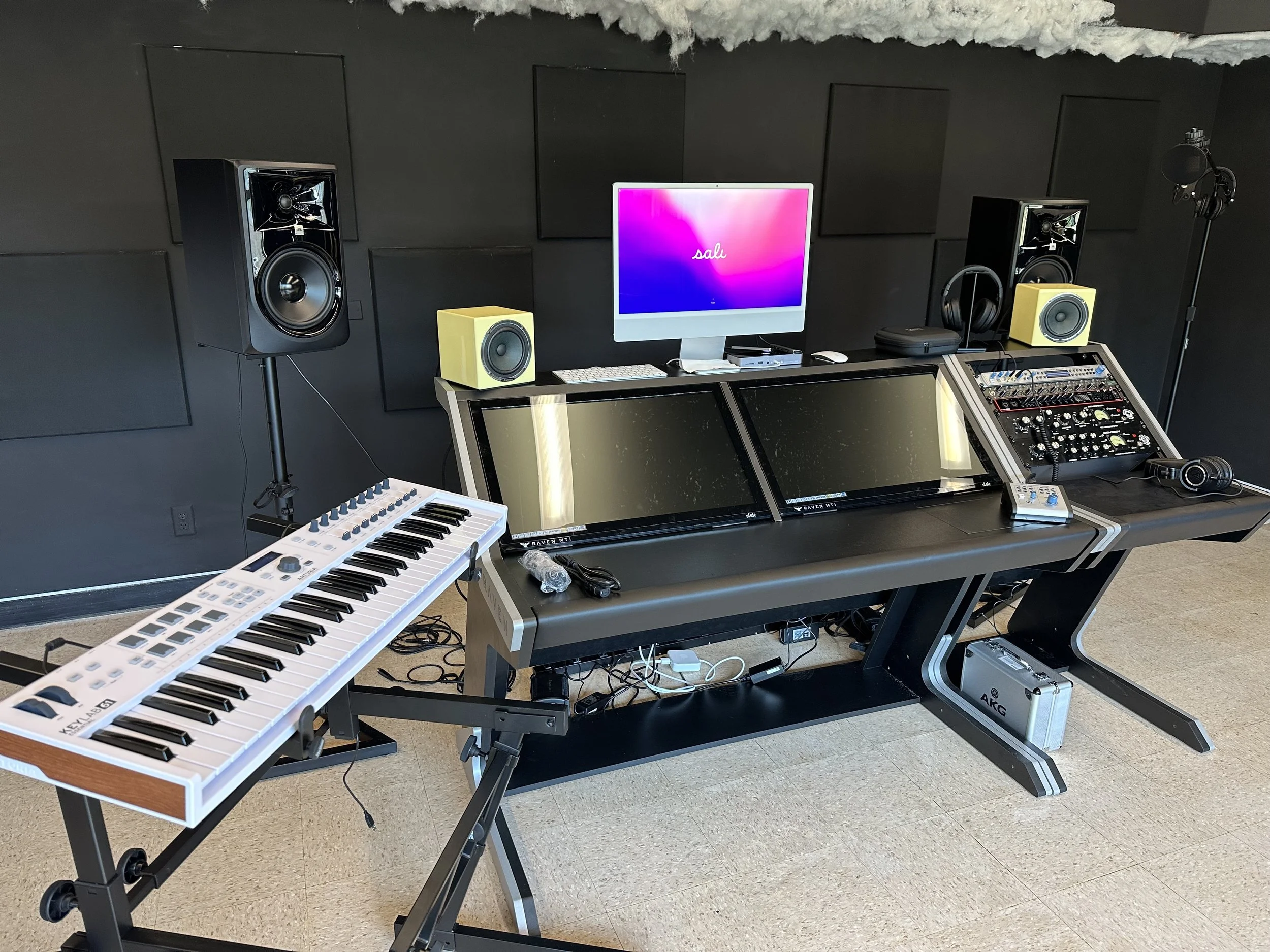
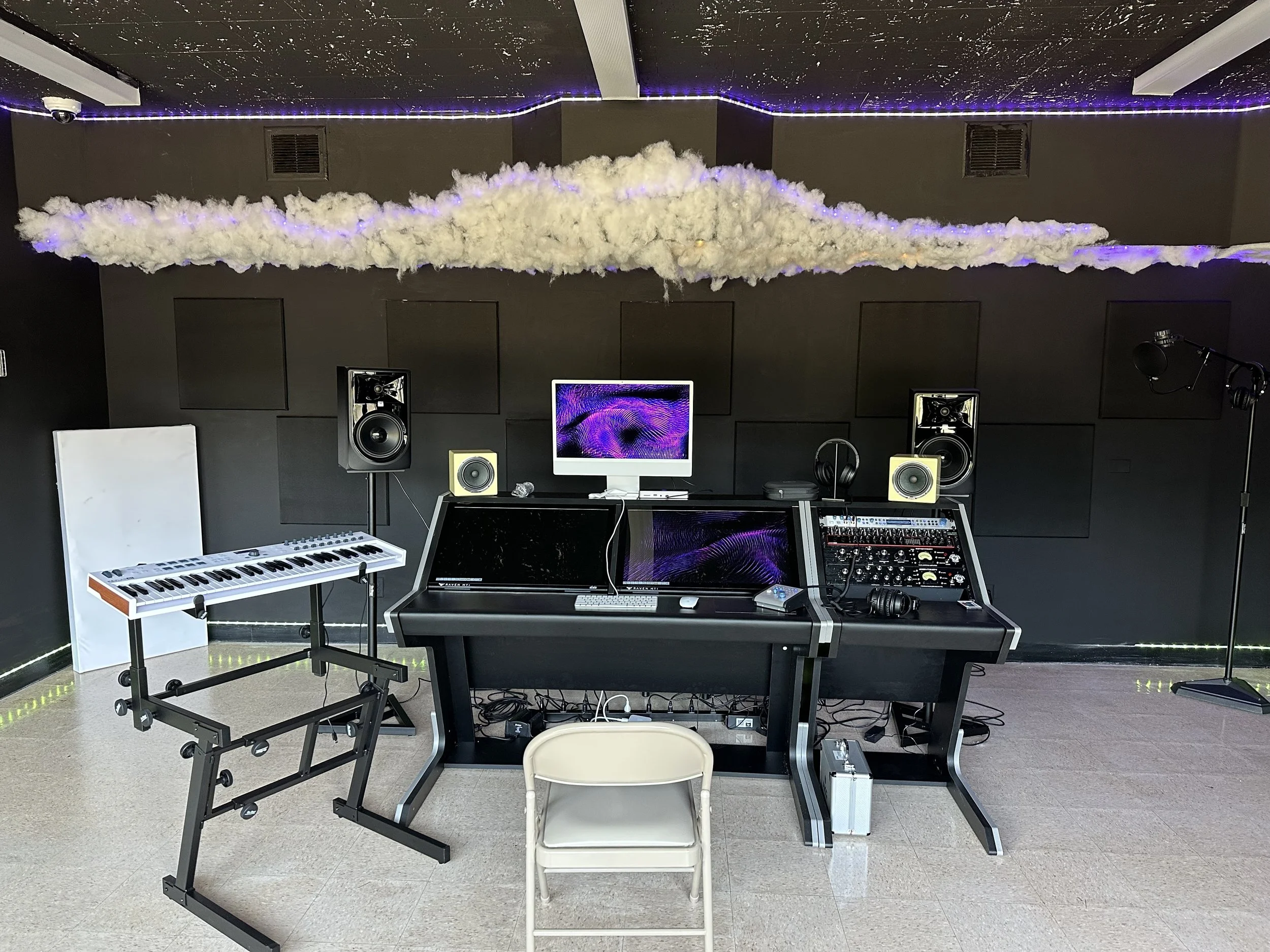
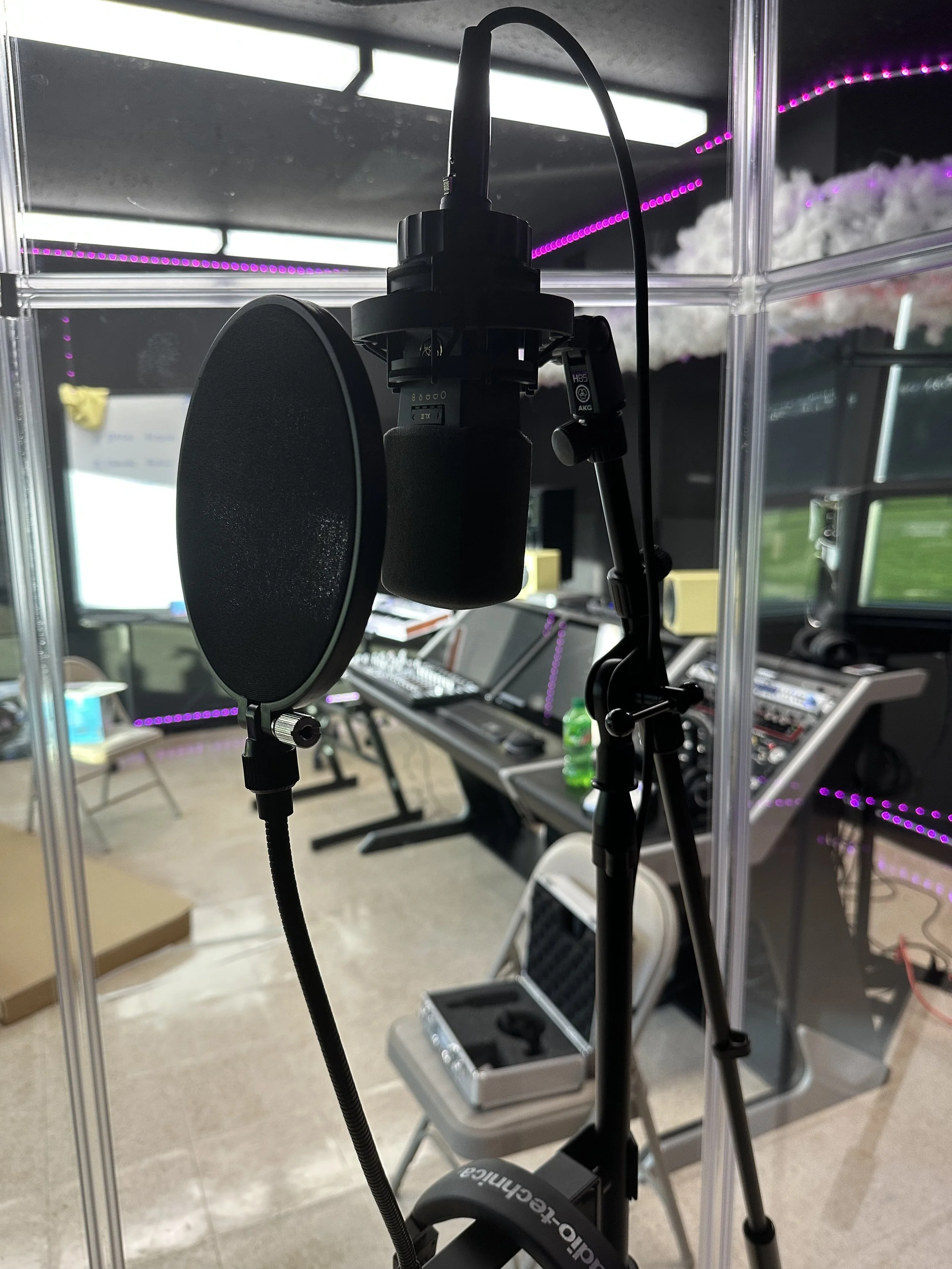
Academic Benefits of a Recording Studio TRAINING PROGRAM
1. Applied Physics & Mathematics
A recording studio is essentially a physics lab. Students don't just read about sound waves; they manipulate them.
Acoustic Physics: Students learn about frequency (Hz), amplitude (dB), and phase cancellation. They must calculate the "speed of sound" to manage latency and room reflections.
Mathematical Precision: Mixing involves ratios (compression), fractions (rhythmic subdivisions), and logarithmic scales (decibels).
Signal Flow Logic: Designing a signal chain is an exercise in Boolean logic and systems engineering—if "A" doesn't connect to "B," "C" will not produce sound.
2. Literacy & Technical Writing
Music production is heavily rooted in communication.
Composition & Narrative: Songwriting and podcasting require students to master metaphor, structure, and storytelling. This directly supports ELA (English Language Arts) standards.
Technical Literacy: Students must read and interpret complex hardware manuals and software documentation, a key "College and Career Readiness" skill.
Scripting: Producing a high-quality podcast or voiceover requires drafting, peer-editing, and revising scripts for clarity and timing.
Digital Literacy & Information Technology (IT)
The modern recording studio is a hub for high-level computer science.
File Management: Students learn professional-grade data organization, cloud collaboration (STEM), and digital security.
Software Mastery: Learning a DAW (Digital Audio Workstation) is comparable to learning CAD for architecture or Creative Cloud for graphic design. It builds "software agility"—the ability to learn complex interfaces quickly.
Career & Technical Education (CTE) Pathways
A studio provides a direct bridge to the multi-billion dollar "Creative Economy."
Industry Certification: Students can work toward certifications in Pro Tools, Logic Pro, or Dante Networking, giving them a head start in vocational paths.
Professionalism: Running a "session" teaches time management, client relations, and project delivery under strict deadlines.
Social-Emotional Learning (SEL) & Meta-Cognition
Critical Listening: Students develop "Golden Ears"—the ability to analyze minute details and provide constructive, objective feedback to peers.
Resilience & Troubleshooting: In a studio, things frequently go wrong (a buzz in a cable, a software crash). Students must learn to remain calm and systematically troubleshoot problems until they are solved.